
How Often Should You Check and Replace Your CO and Smoke Detectors at Home
Every year, thousands of house fires and carbon monoxide (CO) poisonings cause injuries and fatalities that could have been prevented. Smoke detectors and carbon monoxide alarms are essential safety devices that alert you to danger early, giving you time to escape or call for help. Yet many homeowners overlook the importance of regular maintenance and timely replacement of these devices. Knowing how often to check and replace your CO and smoke detectors can make a critical difference in protecting your family and property.
This post explains the recommended schedules for testing and replacing smoke and carbon monoxide detectors. It also covers practical tips for maintaining these devices, signs that indicate they need replacement, and how to choose the right alarms for your home.
Why Regular Checks Matter for CO and Smoke Detectors
Smoke detectors and carbon monoxide alarms are your first line of defense against invisible threats. Smoke detectors sense smoke particles from fires, while CO alarms detect the odorless, colorless gas produced by incomplete combustion of fuels like gas, wood, or charcoal.
Both devices rely on sensors and batteries that can degrade over time. Dust, humidity, and battery corrosion can cause false alarms or failure to detect danger. Without regular checks, you might not realize your alarms are not working until it is too late.
Regular testing ensures your alarms are operational and ready to alert you. Replacing detectors at the right time guarantees you have the latest technology and reliable sensors.
How Often Should You Check Your Detectors?
Monthly Testing
You should test your smoke and CO detectors at least once a month. Most alarms have a test button that triggers the alarm sound. Press this button to confirm the device is working and the battery has power.
If the alarm does not sound, replace the batteries and test again.
If it still does not work, replace the detector immediately.
Battery Replacement
For detectors with replaceable batteries, change the batteries once a year or sooner if the low battery warning chirps. Some newer models come with sealed lithium batteries designed to last 10 years, eliminating the need for battery changes.
Visual Inspection
Check your detectors monthly for:
Dust or debris blocking the sensor
Physical damage or discoloration
Loose mounting or wiring issues
Clean the detectors gently with a vacuum or soft brush to remove dust buildup.
When to Replace Your Smoke Detectors
Smoke detectors do not last forever. The sensors inside degrade and become less sensitive over time.
Replace smoke detectors every 10 years.
The National Fire Protection Association (NFPA) recommends replacing smoke alarms every decade to ensure reliable performance.
Check the manufacture date on the back of the detector to know its age.
If your detector frequently gives false alarms or fails tests, replace it sooner.
Consider upgrading to photoelectric smoke alarms, which are better at detecting smoldering fires and produce fewer false alarms than ionization alarms.
When to Replace Your Carbon Monoxide Detectors
Carbon monoxide detectors have a shorter lifespan than smoke alarms.
Replace CO detectors every 5 to 7 years.
Most manufacturers specify this range based on sensor life.
Check the expiration date printed on the device or in the user manual.
If the alarm sounds frequently without an obvious source of CO, or if it fails a test, replace it immediately.
Newer CO alarms may include digital displays showing CO levels, which can help you monitor air quality.
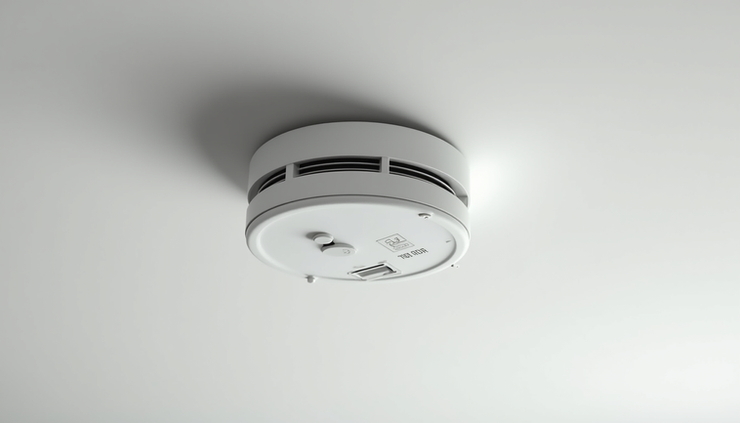
Smoke detectors should be installed on every level of your home and tested regularly to ensure safety.
Tips for Maintaining Your Detectors
Install detectors in the right locations:
Smoke detectors should be on every floor, inside bedrooms, and outside sleeping areas. CO detectors should be near sleeping areas and on every level with fuel-burning appliances.
Avoid placing detectors near kitchens or bathrooms:
Steam and cooking fumes can cause false alarms.
Keep detectors clean:
Dust and insects can interfere with sensors. Clean detectors every 6 months with a vacuum or soft cloth.
Replace batteries annually:
Even if your detector uses long-life batteries, check the manufacturer’s recommendations.
Interconnect alarms if possible:
Interconnected alarms sound together, providing earlier warning throughout the home.
Follow manufacturer instructions:
Different brands and models have specific maintenance guidelines.
Signs Your Detectors Need Immediate Replacement
The alarm does not sound when tested after battery replacement.
The device chirps or beeps frequently indicating malfunction.
Physical damage such as cracks or discoloration.
The detector is older than the recommended replacement age.
Frequent false alarms without clear cause.
Ignoring these signs puts your household at risk. Replace faulty detectors promptly.
Choosing the Right Detectors for Your Home
Smoke detectors:
Choose photoelectric alarms for better detection of smoldering fires. Ionization alarms respond faster to flaming fires but can cause more false alarms.
Carbon monoxide detectors:
Look for alarms certified by recognized safety organizations. Digital displays and voice alerts add convenience.
Combination alarms:
Some devices combine smoke and CO detection in one unit, simplifying installation and maintenance.
Power source:
Battery-powered alarms offer flexibility but require regular battery changes. Hardwired alarms with battery backup provide continuous power.
Final Thoughts on Detector Safety
Checking and replacing your smoke and carbon monoxide detectors regularly is a simple step that saves lives. Test alarms monthly, replace batteries yearly, and swap out detectors before they lose effectiveness. Proper placement and maintenance ensure your home stays protected from fire and CO poisoning risks.
Make a habit of scheduling these checks with other home safety tasks. Your family’s safety depends on alarms that work when you need them most. Take action today to keep your home secure.


Comments