
Are Cold Climate Heat Pumps a Smart Investment for Your Home?
Cold climate heat pumps (CCHPs) have gained attention as a heating solution designed to work efficiently even in freezing temperatures. If you live in a region where winters are harsh and long, you might wonder if investing in a cold climate heat pump is worth the upfront cost and effort. This post explores how these systems work, their benefits, potential drawbacks, and practical considerations to help you decide if a cold climate heat pump fits your home and lifestyle.

How Cold Climate Heat Pumps Work
Heat pumps transfer heat from one place to another. Unlike traditional heating systems that generate heat by burning fuel or using electric resistance, heat pumps move heat from the outside air into your home. Cold climate heat pumps are specially designed to operate efficiently at temperatures well below freezing, sometimes as low as -15°F (-26°C) or lower.
They use advanced compressors, refrigerants, and defrost cycles to maintain performance during cold weather. This means they can provide reliable heating even when the temperature drops, unlike older heat pump models that lose efficiency or stop working in extreme cold.
Benefits of Cold Climate Heat Pumps
Energy Efficiency and Cost Savings
Cold climate heat pumps use electricity to move heat rather than generate it, which can reduce energy consumption significantly. According to the U.S. Department of Energy, heat pumps can reduce electricity use for heating by about 50% compared to electric resistance heating.
For example, a homeowner in Minnesota reported cutting their heating bills by nearly 40% after switching to a cold climate heat pump. Over time, these savings can offset the higher initial cost of the system.
Year-Round Comfort
Besides heating, most cold climate heat pumps also provide cooling during summer months. This dual functionality means you only need one system for both heating and cooling, simplifying maintenance and saving space.
Environmental Impact
Because they use less energy, cold climate heat pumps reduce greenhouse gas emissions compared to fossil fuel-based heating systems. If your electricity comes from renewable sources, the environmental benefits increase further.
Incentives and Rebates
Many governments and utilities offer rebates or tax credits for installing energy-efficient heat pumps. These incentives can lower the upfront cost and improve the return on investment.
Considerations Before Installing a Cold Climate Heat Pump
Upfront Cost
Cold climate heat pumps tend to cost more than standard heat pumps or traditional heating systems. Installation can also be more complex, especially if your home needs ductwork or electrical upgrades.
Climate Suitability
While CCHPs work well in cold climates, their efficiency varies depending on how cold it gets and how long cold periods last. In extremely cold areas, a backup heating source may still be necessary during the coldest days.
Home Insulation and Size
For best results, your home should be well insulated and sealed. Heat pumps work most efficiently when heat loss is minimized. Also, the system must be properly sized to match your home's heating and cooling needs.
Maintenance
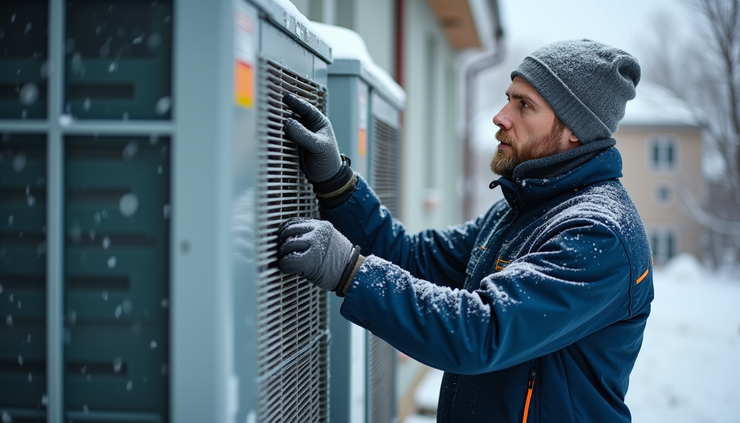
Heat pumps require regular maintenance to keep running efficiently. This includes cleaning filters, checking refrigerant levels, and servicing defrost cycles.
Real-Life Examples and Case Studies
Case Study 1: Suburban Home in Vermont
A family in Vermont installed a cold climate heat pump to replace an aging oil furnace. Their new system maintained comfortable indoor temperatures even when outdoor temperatures dropped below -10°F. They reported a 35% reduction in heating costs in the first winter and appreciated the quieter operation compared to their old furnace.
Case Study 2: Urban Apartment in Toronto
An apartment building in Toronto retrofitted its heating system with cold climate heat pumps. The building management noted improved tenant comfort and a 25% drop in energy bills. The system also reduced the building’s carbon footprint, aligning with local sustainability goals.
Is a Cold Climate Heat Pump Right for You?
If you live in a cold region and want to reduce your heating bills while lowering your environmental impact, a cold climate heat pump is worth considering. It offers reliable heating, cooling, and energy savings, especially if your home is well insulated.
Before deciding, evaluate your home’s insulation, heating needs, and budget. Consult with a qualified HVAC professional to assess your property and get a detailed cost estimate. Also, check for local incentives that can make the investment more affordable.
Choosing the right system and installer will ensure you get the most value from your cold climate heat pump.


Comments